

Blog
Fragrance Packaging Reorders: Keep Bottle, Cap and Label Specifications Consistent

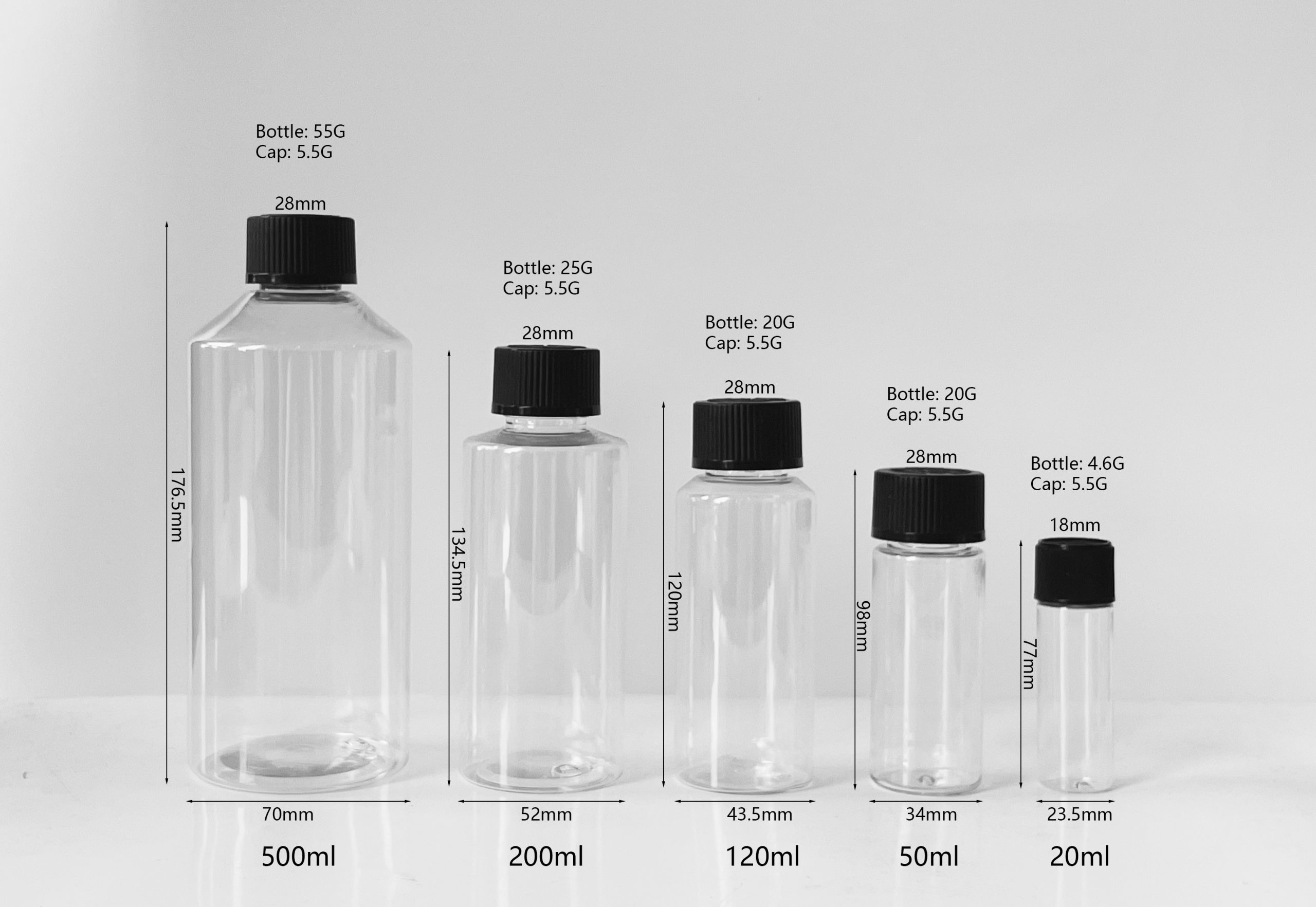
A fragrance packaging reorder should start with an approved specification, not a photograph and the words “same as last time.” For B2B buyers replenishing diffuser refill bottles, closures and labels, a short revision record helps the supplier, filling team and warehouse work from the same requirements.
This guide outlines a practical purchasing workflow: identify the approved packaging combination, list changes separately, confirm what needs new testing, and connect the incoming shipment to the correct revision.
1. Give the complete packaging set a reference
Create one set reference for the bottle, closure, liner and decoration that were approved together. Keep each component’s own item code as well. A bottle-only purchase and a bottle-and-cap set should not share an ambiguous description.
- Bottle: item code, material, agreed capacity definition, drawing revision, neck finish and color reference.
- Closure: item code, size, style, color and the agreed liner or seal configuration.
- Label: artwork filename and revision, dimensions, material and finish, placement reference and barcode version where applicable.
- Packing: quantity per carton, dividers or protection, carton marks and any agreed handling requirements.
For example, a 120ml refill bottle with a black closure and Label Rev B is a different purchasing specification from the same bottle with a changed closure liner. Record the difference even when the outside appearance is unchanged.
2. Keep an approved reference pack
A useful reference pack contains the approved drawing, a dated sample record, the final artwork and a clear list of acceptance points. Name one person on the buyer’s side who can approve revisions. Ask the supplier to acknowledge the same revision in the order confirmation.
Keep photographs for orientation, but use the agreed drawing and physical reference for dimensions and appearance checks. A screen image alone is not a reliable way to approve a color match. Record which physical color sample or other agreed standard governs the order.
3. Separate unchanged items from requested changes
Put a change list beside the reorder instead of hiding revisions in a long email chain. Each line should state the previous specification, the requested change and whether approval is still open.
- Unchanged: bottle item, drawing revision and neck finish.
- Changed: closure color, label artwork or carton quantity.
- To review before production: any new material, liner, supplier source, filling process or fragrance formula.
Ask for written confirmation before treating a proposed substitute as accepted. A visually similar component may still need review. For induction-sealed packs, Enercon identifies liner/container compatibility and supplier changes among possible causes of sealing problems. Its induction-seal troubleshooting guide also highlights process variables such as cap torque and line speed. Test the actual combination rather than relying on appearance alone.
4. Decide what the change requires you to check
Agree a proportionate review with your filling and quality teams. A label-text correction may need a new artwork proof. A different bottle, closure or formula may require renewed fit, filling, sealing, compatibility and transport checks. Define the test conditions and acceptance criteria with the responsible technical team; this checklist is not a universal test standard.
Do not carry over a previous test result to a new combination without reviewing what changed. Record the sample identities, formula version, date and decision so a later buyer can understand exactly what was approved.
5. Make receiving checks match the purchase order
Before shipment, agree how cartons or accompanying documents will identify the order and component revisions. At receipt, compare the delivery against the approved reference pack and purchase order. Record discrepancies with photographs and item references before mixing new stock with earlier lots.
If old and new label revisions will coexist, decide which orders use each revision. This keeps an intentional artwork transition separate from a packing error.
Quick reorder checklist
- Which previous order and approved set are being repeated?
- Are bottle, cap, liner and artwork references complete?
- Are all changes listed, including changes that are not visible?
- Who approves samples, artwork and substitutions?
- Which checks must be repeated before production?
- Are carton quantity, destination and delivery requirements reconfirmed?
Frequently asked questions
Is the same capacity enough to identify a reorder?
No. Include the bottle item and drawing reference, neck finish, closure configuration and decoration revision. Capacity is only one part of the specification.
Can a reorder use the previous price and lead time?
Request current confirmation for the exact quantity and specification. Do not assume an earlier quotation, production slot or delivery estimate still applies.
What should we send Unalilia?
Send the previous order reference, approved bottle and cap details, latest artwork, quantity, destination and a short change list. Browse our PET refill bottle range and caps and closures to identify the relevant items, then request a project quotation.
Unalilia focuses on custom B2B packaging. Our standard MOQ is 5,000 pieces for clear or natural-color products and 10,000 pieces for colored products, including white and black. Prices are confirmed by quotation. Special components, decoration, tooling, sample availability and lead times require project-specific confirmation.