Blog
Fragrance Label Artwork Checklist: From Dieline to Print Approval

A fragrance label artwork checklist helps a purchasing team turn a design into a clear production brief. Before approving labels for diffuser refills, commercial scenting bottles or a private-label fragrance range, agree on the bottle, label dimensions, artwork version and proof requirements together.
Start with six items: the actual bottle sample, the printer’s dieline, the final text, the artwork file, the application specification and a named approver. The checks below focus on preparing artwork for review, rather than selecting a label material.
1. Confirm the bottle and the label panel first
A bottle’s stated capacity is not a label drawing. Identify the exact bottle model and measure the intended label area on a physical sample before finalizing the design.
- Mark the front of the bottle and the preferred label position.
- Record the usable panel height and width, including any shoulder, base curve, ribs or recessed areas.
- For a wraparound design, specify whether the ends should have a gap or overlap. Ask the supplier to confirm the proposed layout.
- Make a paper mock-up at actual size and place it on the sample. Check how the front panel and back text look when the bottle is held normally.
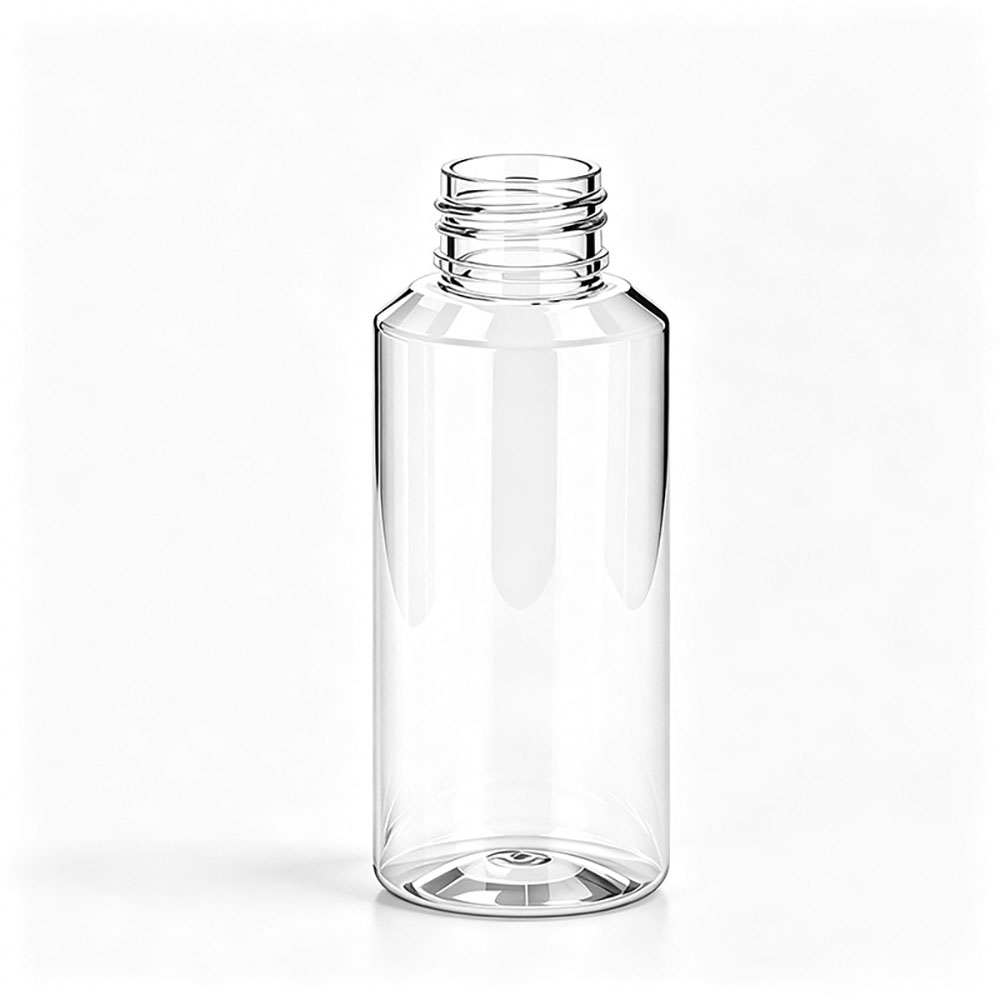
For example, our 120ml clear PET diffuser refill bottle is supplied as an empty bottle-only option. Use the selected bottle sample to review artwork placement; do not treat a product photograph as a dimensioned label template.
2. Get the correct dieline before laying out the artwork
The dieline defines the intended cut shape and finished label size. Ask for the template for the exact label construction and printing process you are quoting.
Keep these three areas separate:
- Trim: the intended finished edge.
- Bleed: background artwork extending beyond that edge.
- Safe area: space inside the edge for important text and graphics.
Avery’s artwork guidance explains these distinctions and the limitations of screen proofs. Use your selected printer’s specified margins and file requirements, rather than copying another printer’s measurements.
Before review, confirm which template lines are guides and must not appear in the printed design.
3. Separate brand styling from product information
Create a text checklist for each scent and bottle size. A visually consistent range can still contain the wrong scent name, volume or SKU if a design is duplicated without a separate content check.
- Brand name, approved logo and scent name.
- Product identity and intended use.
- Declared quantity and unit, checked against the actual filled product.
- SKU and barcode data, if used.
- Space for batch information or other variable printing, if required.
- Approved instructions, warnings and destination-market wording.
Have the responsible product or compliance specialist approve the required wording for the actual formula and sales market. An artwork review should not be treated as confirmation that the finished product meets all labeling requirements.
4. Prepare files that can be checked clearly
Send the editable design or requested print file, together with a PDF showing the intended appearance. Name the files consistently, for example: brand, scent, bottle size, version and date.
Ask the printer to confirm the accepted format, image resolution at final size, font handling and color setup. Identify any proposed white ink or special finish separately, and have its feasibility confirmed before approval.
Our custom fragrance label range includes template-based and custom-artwork options. When requesting a quote, state whether you want to adapt an existing layout or submit a complete design. Do not assume that an unusual finish or adhesive is included.
5. Review barcodes and the application method
If the label carries a barcode, check the encoded data as well as its appearance. GS1’s barcode quality checklist highlights quiet zones, contrast, symbol size, bar height and placement, especially on cylindrical packaging.
Keep the required clear space around the symbol and review its position on the finished bottle. Ask for barcode verification appropriate to the intended scanning environment; a successful phone scan alone should not be your only acceptance check.
For roll labels, send your applicator’s requirements to the supplier. Confirm the unwind direction, core size, roll dimensions and label orientation using an annotated drawing. For hand application, agree on a placement reference so different operators can follow the same instruction.
6. Approve the proof and the physical sample separately
Use the digital proof to check spelling, layout, size, version and the agreed print layers. A screen preview is not an exact representation of printed color. Where color is critical, agree on a physical reference or printed proof.
Then review a sample applied to the selected bottle. Check readability, label position and the appearance of the assembled pack. Evaluate the proposed label and adhesive with the actual bottle, liquid and expected handling conditions before committing to the production run.
Keep a short approval record identifying:
- The bottle model and label size.
- The approved artwork filename and revision.
- The material and finish being approved.
- The physical sample or proof reference.
- The approver, date and any conditions still open.
If the bottle, label construction or artwork changes, review the affected items again rather than relying on an earlier approval.
Frequently asked questions
Can one artwork file be used for several bottle sizes?
Use it as a design starting point, then check each layout at its final size. Review the actual panel, readable text and barcode placement for each bottle instead of simply shrinking the entire design.
Does artwork approval confirm oil resistance?
No. Artwork approval confirms the reviewed design. Material and adhesive suitability need a separate evaluation with the intended product and packaging.
What should a B2B inquiry include?
Send the bottle reference, label dimensions, quantity by design, artwork status, application method, destination and any special finish requirements. For bottle projects, Unalilia’s standard MOQ is 5,000 pieces for clear or natural-color bottles and 10,000 pieces for colored bottles, including white and black. Label, printing and accessory requirements are confirmed in the project quotation.
Request a coordinated bottle and label quote
Use our Custom Quote form to share your bottle selection and label brief. Include the latest artwork version and list anything still awaiting approval. Pricing is discussed by inquiry after the project requirements are reviewed.